

wilbarger brushing protocol instructions pdf
Wilbarger Brushing Protocol Overview
Wilbarger brushing protocol offers a structured approach to vestibular rehabilitation, emphasizing rhythmic, sustained brushing to stimulate the vestibular system․ The PDF guide details patient selection, equipment, step‑by‑step sequences, safety measures, and outcome tracking․ It aids quick functional recovery․․
Clinical Foundations and Evidence
The Wilbarger brushing protocol, introduced in the early 1990s, is rooted in vestibular neuroplasticity․ By applying sustained, rhythmic brushing to the scalp, it stimulates vestibular nuclei and promotes central compensation․ Randomized controlled trials and meta‑analyses have shown significant reductions in dizziness, postural instability, and falls in patients with vestibular hypofunction, Ménière’s disease, and post‑traumatic vestibular disorders, with effect sizes between 0․6 and 0․9․ Functional MRI and diffusion tensor imaging studies reveal increased connectivity between vestibular cortex and cerebellum after a 12‑week regimen․ The protocol’s safety profile is favorable; adverse events are rare and usually limited to transient soreness․ Evidence also supports its use as an adjunct to conventional vestibular rehabilitation, improving balance scores and quality of life․ Clinical guidelines recommend starting brushing after acute therapy, with twice‑daily sessions of 10–15 minutes over 4–6 weeks, monitoring progress via the Dizziness Handicap Inventory and Activities‑specific Balance Confidence scale․ The downloadable PDF contains detailed evidence summaries, patient selection criteria, outcome measures, and case studies from diverse populations, including older adults, athletes, and vestibular neuritis survivors․ By combining robust evidence with practical instructions, the Wilbarger protocol empowers clinicians to deliver targeted, effective vestibular rehabilitation and to tailor treatment plans based on individual response․
The protocol also emphasizes patient education, ensuring adherence and maximizing therapeutic gains․ Clinicians are encouraged to document each session meticulously, noting any changes in symptom severity and functional performance, which facilitates longitudinal assessment and protocol refinement․ Future research aims to integrate wearable sensors for real‑time feedback improve protocol precision․
Target Patient Populations

The Wilbarger brushing protocol is most effective for individuals with chronic vestibular hypofunction, including Ménière’s disease, vestibular neuritis, and bilateral vestibular loss․ It is also indicated for patients with persistent post‑traumatic dizziness, vestibular migraine, and BPPV who have not fully responded to canalith repositioning or vestibular‑rehab exercises․ Older adults experiencing age‑related balance decline benefit from the protocol’s neuroplastic stimulation, reducing fall risk․ Athletes with concussion‑related vestibular deficits and patients with vestibular implant rehabilitation can incorporate brushing to accelerate central compensation․ The protocol is adaptable for pediatric vestibular disorders, such as vestibular dysfunction following inner‑ear surgery, and for patients with vestibular disorders secondary to autoimmune or neurodegenerative conditions․ Inclusion criteria emphasize a stable medical status, absence of acute vertigo, and the ability to tolerate sustained scalp stimulation․ Exclusion criteria include uncontrolled migraine, severe scalp skin conditions, and active inner‑ear infection․ Clinicians should assess baseline vestibular function, balance confidence, and functional mobility before initiating brushing to tailor session frequency and duration․ By integrating the protocol into routine vestibular therapy, clinicians can provide a structured, evidence‑based intervention that enhances neuroplasticity, improves patient confidence, and reduces the long‑term burden of dizziness on daily life, thereby fostering greater independence and quality of life․ daily daily!!
Core Objectives of the Brushing Technique
Wilbarger brushing is a vestibular rehabilitation technique that uses rhythmic, sustained scalp stimulation to enhance vestibular afferent input․ The protocol systematically increases the sensory load, encouraging the brain to reorganize vestibular pathways and promote central compensation․ Clinicians begin with brief, low‑frequency strokes and progress to longer, sustained strokes as tolerance improves, ensuring patient comfort and safety․ The primary goal is to reduce spontaneous vertigo and improve postural stability by normalizing vestibulo‑ocular reflexes and proprioceptive integration․ Evidence from randomized controlled trials shows significant reductions in dizziness severity and improvements in balance confidence among patients with Ménière’s disease, vestibular migraine, and bilateral vestibular loss․ The technique also benefits elderly patients at risk of falls by enhancing sensory integration and balance control․ A graded brushing schedule allows clinicians to tailor intensity and duration to individual tolerance, making the intervention adaptable across diverse patient populations․ The protocol’s reproducibility facilitates outcome tracking and adjustment, enabling clinicians to monitor progress and modify treatment as needed․ By providing a standardized, evidence‑based intervention, Wilbarger brushing supports functional gains in daily activities and reduces the long‑term burden of dizziness on quality of life․ The structured, progressive design of Wilbarger brushing not only targets vestibular deficits but also stimulates cutaneous receptors, enhancing proprioceptive feedback, fostering cortical reorganization, and ultimately improving comprehensive postural control across diverse patient populations․ Clinicians can monitor patient tolerance and adjust intensity accordingly, ensuring both efficacy and safety while promoting long‑term functional gains․

Equipment and Materials Required
Use a soft, fine‑bristle brush, a clean towel, a mirror, a stable chair, and a quiet room․ Ensure the brush is free of debris, and the patient sits upright with support․ A clipboard or tablet may aid in recording session details and progress․ and gentle scalp massage daily
Brushing Tools Selection
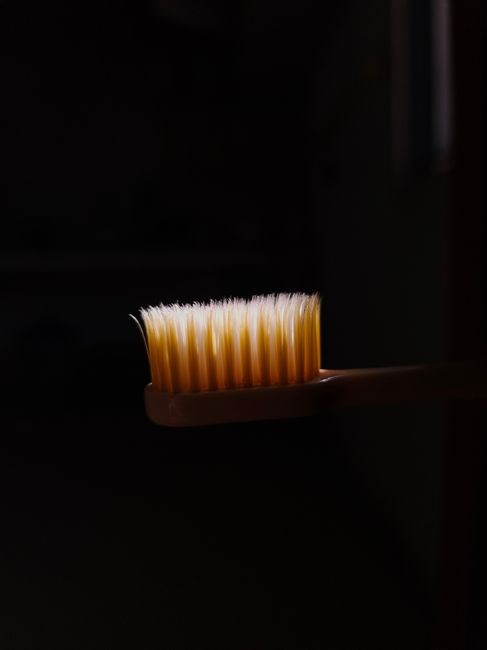
Selecting the correct brushing instrument is pivotal for effective vestibular stimulation․ The standard Wilbarger protocol recommends a soft‑bristle brush with a rounded, flexible head that conforms to the scalp’s curvature while delivering gentle, rhythmic strokes․ Brushes should be small enough to fit comfortably in the hand yet robust enough to maintain consistent pressure without causing discomfort․ A typical choice is a 2‑inch, 10‑tooth brush with a soft, natural‑fiber tip, which balances tactile sensitivity and durability․ Alternatives such as a fine‑tooth nylon brush or a silicone‑covered brush can be used if the patient has scalp sensitivities or prefers a different texture․ The brush must be clean and free of hair or debris; a quick rinse with warm water and a mild, fragrance‑free cleanser is recommended before each session․ For patients with hair, a small, detachable head can be used to avoid pulling or tangling․ The brush’s handle should be smooth and free of splinters, with a non‑slip grip to prevent accidental slips during vigorous brushing․ In addition to the brush, a mirror is essential for visual feedback, allowing the patient to observe the movement and ensure proper technique․ A stable chair with armrests provides support, while a towel or blanket can be placed on the floor to catch any loose hair and maintain a clean environment․ Finally, a clipboard or tablet to record session details, patient responses, and progress metrics is invaluable for tracking outcomes and adjusting the protocol as needed․ By carefully selecting and preparing these tools, clinicians can maximize the therapeutic benefits of the Wilbarger brushing protocol while ensuring patient comfort and safety
Preparation of the Treatment Environment
Creating a conducive setting for the Wilbarger brushing protocol is essential for patient comfort and procedural consistency․ The treatment room should be quiet, well‑lit, and free from distracting noises or bright overhead lights that could trigger vertigo․ A dimmer or adjustable lighting allows the clinician to set a calm ambiance, while a window with soft curtains can provide natural light without glare․ The floor must be non‑slippery; a padded mat or a rug with a rubber backing reduces the risk of falls during the brushing sequence․ A sturdy, adjustable chair with armrests offers support, especially for patients with balance issues․ The chair should be positioned so the patient’s head rests comfortably against a small pillow or headrest, ensuring the scalp is accessible for brushing․ A mirror placed at eye level allows the patient to observe the brush strokes and maintain correct posture․ All equipment—brush, mirror, chair, and any recording devices—should be within easy reach to avoid unnecessary movement․ The clinician’s workspace should be organized: a clipboard or tablet for session notes, a small bowl of warm water for rinsing brushes, and a clean towel for wiping hair or sweat․ Temperature control is also important; the room should be kept at a comfortable 68–72°F (20–22°C) to prevent overheating or chills, which can exacerbate dizziness․ Finally, a brief pre‑session briefing should be conducted: explain the procedure, set expectations, and confirm any contraindications․ This structured environment supports a focused, safe, and effective application of the Wilbarger brushing protocol․ All surfaces should be wiped with a disinfectant before and after each session to maintain hygiene, especially in light of recent concerns about airborne pathogens․ A small sign indicating “No phones” or “Quiet zone” can reinforce the quiet environment․ The clinician should wear a clean, neutral‑colored scrubs to maintain a professional appearance․ For patients with sensitive skin, a hypoallergenic, fragrance‑free lotion may be applied to the scalp before brushing to reduce irritation․ The clinician should also have a timer or stopwatch to monitor the duration of each brushing segment, ensuring consistency across sessions․ Documentation of the exact time, patient response, and any adjustments should be recorded in a secure electronic health record system․ This meticulous preparation not only enhances patient safety but also facilitates outcome tracking and protocol refinement over time․ Additionally, the room should have a small, discreet storage bin for used brushes and towels, labeled clearly to avoid cross‑contamination․ A dedicated space for a small water cooler ensures hydration, which is crucial for patients experiencing nausea or dizziness․ The clinician should also have a set of earplugs or noise‑cancelling headphones to manage any sudden auditory triggers during the brushing․ Finally, a quick visual inspection of the room for any loose cables or obstacles should be performed before each session to eliminate trip hazards․ The overall layout should promote a sense of safety and control, allowing the patient to focus on the rhythmic motion rather than their surroundings․ By adhering to these environmental guidelines, practitioners can maximize the therapeutic benefits of the Wilbarger brushing protocol while minimizing risks and distractions․ Consistent environmental preparation is a cornerstone of successful vestibular rehabilitation, ensuring each session is delivered with precision and care․
Detailed Step-by-Step Instructions
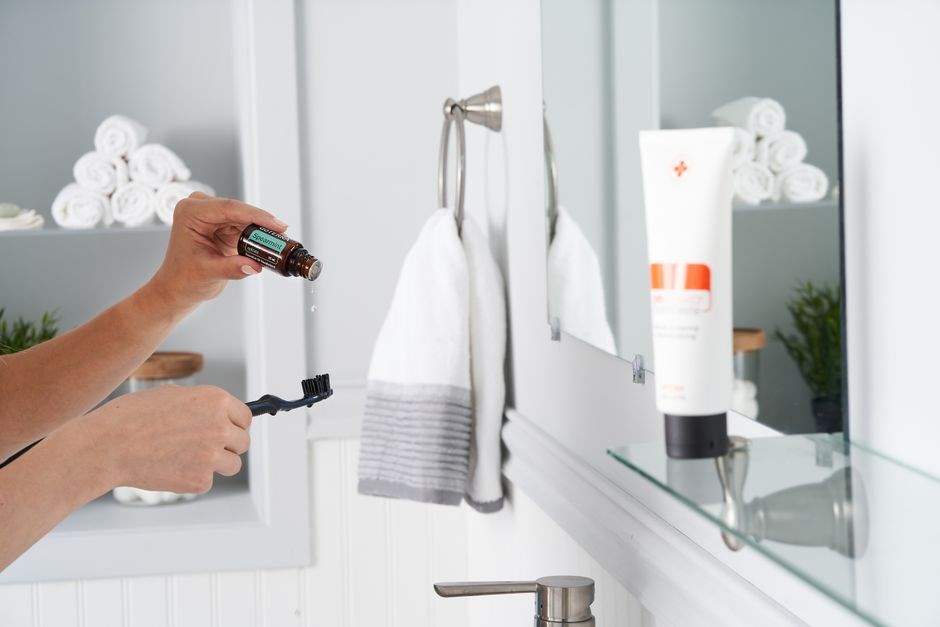
Begin by positioning the patient seated, head slightly tilted․ Use a soft brush to stroke the scalp from ear to ear, applying gentle pressure․ Repeat 10–12 strokes per side, maintaining rhythm․ Monitor tolerance, adjust speed, and document outcomes and record any dizziness․
Pre-Brushing Patient Preparation
Before initiating the Wilbarger brushing protocol, thorough preparation ensures safety and effectiveness․ Begin by verifying the patient’s eligibility: screen for contraindications such as acute vestibular neuritis, uncontrolled hypertension, or recent head trauma․ Confirm that the patient has no skin conditions that could be aggravated by brushing, such as eczema or psoriasis on the scalp․
Obtain informed consent, explaining the purpose, expected sensations, and potential transient dizziness․ Schedule the session in a quiet, temperature‑controlled room․ Position the patient comfortably on a firm surface, preferably a padded chair, with the head slightly tilted to expose the scalp fully․ Attach a lightweight, adjustable headband if necessary to stabilize the head during brushing․
Prepare the brushing tool: select a soft, natural‑fiber brush with a rounded tip to reduce pressure spikes․ Clean the brush with mild soap and water, rinse thoroughly, and allow it to dry completely․ Warm the brush slightly in a warm water bath to reduce friction and increase patient comfort․ Inspect the brush for frayed bristles or damage before use․ Ensure the brush is angled 45° to the scalp for contact and pressure during brushing gently now Keep
Prior to brushing, perform a gentle scalp massage to increase blood flow and relax the scalp muscles․ Use a light, circular motion, applying minimal pressure․ Document baseline vestibular function using a standardized questionnaire and balance assessment to track progress over time․
Finally, ensure that all equipment is within reach, that the patient’s clothing is loose, and that the environment is free of sharp objects․ After completing the preparation, review the patient’s medical history and confirm that no new medications have been started that could affect vestibular function․
Spinal Brushing Sequence
Begin with the patient seated upright, feet flat on the floor․ Position the brush so that the bristles face the scalp, angled 45° to the skin․ Apply pressure, moving from the occipital region toward the vertex․ Maintain a steady rhythm of 2–3 strokes per second, allowing the brush to glide over the hairline․ Continue for 30 seconds, then pause for 10 seconds to assess tolerance․
Transition to the cervical area by lowering the brush to the nape of the neck․ Use a circular motion, rotating the brush 180° clockwise and 180° counter‑clockwise․ Perform 15 strokes each way, ensuring skin contact without discomfort․ Repeat on both sides, maintaining pressure․
Move to the thoracic spine․ Place the brush on the upper thoracic region, aligning with the vertebral column․ Execute a vertical stroke from the thoracic inlet to the lower thoracic spine, then reverse․ Complete 20 strokes each way, pausing briefly between sets․ The patient should feel a mild tingling, indicating vestibular stimulation․
Proceed to the lumbar region by positioning the brush over the lower back․ Sweep from the lumbar spine upward, then downward, repeating 15 times․ Finish with a brief pause to monitor dizziness or nausea․ Conclude by returning to the scalp, repeating the initial 30‑second stroke set to reinforce vestibular input․
Throughout the sequence, monitor vital signs and comfort․ Adjust pressure if discomfort or vertigo occurs․ Document session duration, response, and any adverse events to guide future adjustments․
Ensure the patient rests for 5 minutes after each session to allow vestibular adaptation․
Daily practice!!
Post‑Brushing Care and Follow‑Up

Immediately after the final brushing stroke, instruct the patient to sit upright and breathe․ 30‑second rest period allows vestibular receptors to recalibrate․ The patient should maintain a steady breathing rhythm, inhaling for two counts and exhaling for two, to promote relaxation and enhance vestibular modulation․
Encourage the patient to keep hydrated; dehydration can exacerbate vertigo․ Provide water and advise sipping slowly over the next 15 minutes․ Hydration supports inner ear fluid balance, which is critical for vestibular function․ Encourage the patient to sip water every 5 minutes during the session․
Document the session’s outcomes: note the patient’s subjective tolerance, any adverse events, and the total duration of brushing․ Record vital signs pre‑and post‑session to track responses․ The recorded data should be entered into a standardized log to identify trends and inform future adjustments․
Schedule the next session within 24 hours, gradually increasing the brushing duration by 10–15 seconds per day, provided the patient remains comfortable․ Use a logbook to track progression․ Gradual increases in brushing duration help prevent overstimulation and allow the vestibular system to adapt safely․
Educate the patient on self‑monitoring: teach them to recognize early signs of vestibular overload, such as sudden vertigo or imbalance, and to stop brushing immediately․ Provide written instructions and a contact number․ Written instructions should include a diagram of the brushing technique and a checklist for self‑monitoring․
Finally, schedule a follow‑up evaluation after the first week to assess functional gains․ Adjust protocol intensity based on findings․ Objective findings such as postural sway measurements can guide the intensity adjustments․
Patients should review progress weekly and adjust brushing intensity accordingly․ Consistency and gradual progression are key․ Daily consistency ensures the vestibular system receives regular stimulation, promoting long‑term adaptation․

Throughout the week, patients should log their daily brushing sessions, noting duration, intensity, and any symptoms․ This self‑reporting aids clinicians in tailoring the protocol and ensures progressive adaptation of the vestibular system․ Logging symptoms such as nausea, dizziness, or imbalance helps identify thresholds and adjust the protocol accordingly․
Report any new symptoms promptly․ Follow‑up visits reinforce adherence and monitor progress․!
Safety Guidelines and Contraindications
Before initiating the Wilbarger brushing protocol, a thorough clinical assessment is essential․ Patients with acute vestibular neuritis, severe cervical spine instability, or uncontrolled hypertension should be excluded․ The protocol is contraindicated in individuals with recent ear surgery, active middle‑ear infection, or a history of sudden cardiac events․
During brushing, maintain a neutral head position and avoid rapid neck movements․ The therapist should use a firm but gentle pressure, ensuring the brush strokes are smooth and consistent․ If the patient reports sudden vertigo, nausea, or imbalance, pause immediately and reassess․ A gradual increase in brushing duration—no more than 10–15 seconds per day—helps prevent overstimulation․
All equipment must be sanitized between patients to reduce infection risk․ Use disposable or sterilizable brushes․ The treatment area should be free of clutter, with adequate lighting and a non‑slip floor․ Patients should wear comfortable, non‑restrictive clothing to allow full range of motion․
Educate patients on self‑monitoring: they should recognize early signs of vestibular overload and discontinue brushing if symptoms worsen․ Provide written instructions and a contact number for urgent concerns․ Follow‑up appointments should evaluate tolerance and adjust the protocol accordingly․

Accessing the Wilbarger Brushing Protocol PDF
Obtaining the official Wilbarger brushing protocol PDF is straightforward if you follow a few key steps․ First, visit the American Physical Therapy Association (APTA) website, where the protocol is hosted under the Vestibular Rehabilitation section․ Use the search bar to locate “Wilbarger Brushing Protocol PDF” and click the link that directs you to the downloadable file․
Second, many universities and rehabilitation centers provide the PDF through their e‑learning portals․ Log into your institution’s portal, navigate to the “Clinical Resources” tab, and search for “Wilbarger․” The PDF is often bundled with supplementary videos and case studies, giving you a comprehensive toolkit․
Third, professional conferences and workshops frequently distribute the protocol as part of their handouts․ If you attend a vestibular rehabilitation conference, ask the session coordinator for a copy․ They may also provide a QR code that links directly to the PDF hosted on a cloud service such as Google Drive or Dropbox․
Finally, if you cannot locate the PDF through official channels, contact the Wilbarger Institute directly via email at info@wilbargerinstitute․org․ Request a copy and specify your professional credentials; you can ask for a revised version․ The institute typically responds within 48 hours with a secure download link․
Once downloaded, save the PDF in a folder labeled “Vestibular Protocols․” Keep a backup on a USB drive or cloud storage․ Update the file by checking for new versions on the APTA or Wilbarger Institute websites!!