

basic life support instructor manual
This manual introduces the role of Basic Life Support instructors, outlining objectives, scope, and audience. It explains the importance of teaching CPR, AED use, and emergency response skills to healthcare professionals and volunteers, ensuring safe, effective patient care.
Ensures quality training!!!
Scope of the Manual
The manual defines the boundaries of instruction for Basic Life Support (BLS) instructors, clarifying the curriculum, learning outcomes, and the target audience. It specifies that the material covers adult, pediatric, and neonatal resuscitation protocols, airway management, cardiac rhythm interpretation, and the use of automated external defibrillators (AEDs). The scope includes both theoretical knowledge and hands‑on practice, ensuring that instructors can assess and correct trainee performance in real‑time scenarios. It also addresses the integration of BLS principles into broader emergency response systems, including triage, patient monitoring, and post‑resuscitation care. The manual outlines the responsibilities of instructors in maintaining up‑to‑date certification, adhering to evidence‑based guidelines, and fostering a culture of continuous improvement. It delineates the prerequisites for instructors, such as current BLS certification, teaching experience, and familiarity with the latest American Heart Association guidelines. The scope further covers the use of simulation tools, assessment rubrics, and feedback mechanisms to evaluate trainee competence. Finally, the manual sets expectations for documentation, record‑keeping, and compliance with regulatory standards, ensuring that all instructional activities meet national and local accreditation requirements.
In addition, the manual describes the process for updating instructional content to reflect emerging research, new device technologies, and changes in clinical practice guidelines. It emphasizes the importance of aligning training with the latest consensus statements from professional societies, such as the American Heart Association and the European Resuscitation Council. The scope also includes guidance on adapting instruction for diverse learner populations, including language proficiency, cultural considerations, and accessibility for individuals with disabilities. Furthermore, the manual addresses the logistical aspects of course delivery, such as scheduling, venue preparation, equipment maintenance, and safety protocols. It provides a framework for evaluating the effectiveness of the training program through metrics like pass rates, skill retention, and participant satisfaction surveys. By establishing these comprehensive parameters, the manual ensures that BLS instructors are equipped to deliver high‑quality, evidence‑based education that translates into improved patient outcomes in emergency settings.
All content is organized to facilitate quick reference during training, with clear tables, checklists, and visual aids that reinforce key concepts. The manual also includes a glossary of terms for quick lookup.
Target Audience
The manual is designed for individuals who will assume the role of Basic Life Support (BLS) instructors, including certified BLS instructors, emergency medical technicians (EMTs), paramedics, nurses, physicians, and allied health professionals who seek to expand their teaching credentials. It also addresses volunteers and community members who have completed a BLS course and wish to mentor peers, as well as educators from academic and professional training programs who require a comprehensive guide to curriculum delivery. The target audience spans a spectrum of experience levels, from novice instructors who have recently earned their BLS certification to seasoned educators who need refresher content aligned with the latest American Heart Association guidelines. Additionally, the manual serves administrators and program coordinators responsible for selecting, evaluating, and supporting BLS instructors within hospitals, fire departments, police agencies, and community organizations. By delineating the specific roles, responsibilities, and prerequisites for each subgroup, the manual ensures that all readers can locate the sections most relevant to their instructional context and professional development goals. This manual also incorporates interactive modules, case studies, and assessment rubrics that allow instructors to tailor lessons to specific learning objectives, ensuring that each trainee not only masters procedural skills but also understands the underlying pathophysiology and processes required during high‑pressure resuscitation scenarios!
Course Structure and Content
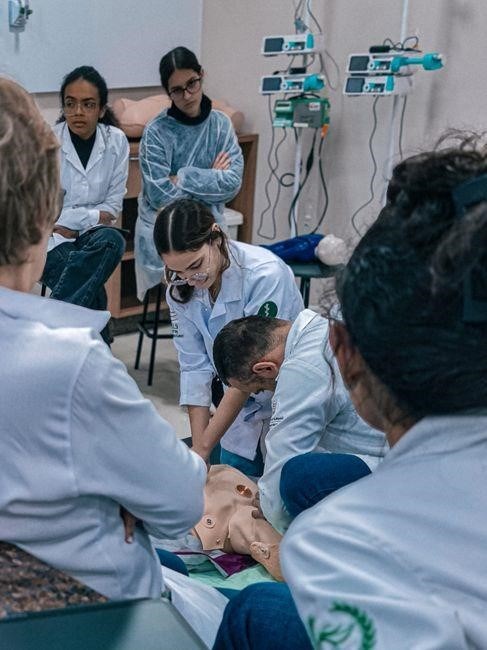
The course blends online modules with hands-on practice, covering anatomy, CPR techniques, AED application, and emergency protocols. Instructors learn assessment tools, teaching strategies, and scenario-based drills to ensure trainees achieve competency and confidence in life-saving skills Boosts skill confidence!!.
Course Prerequisites
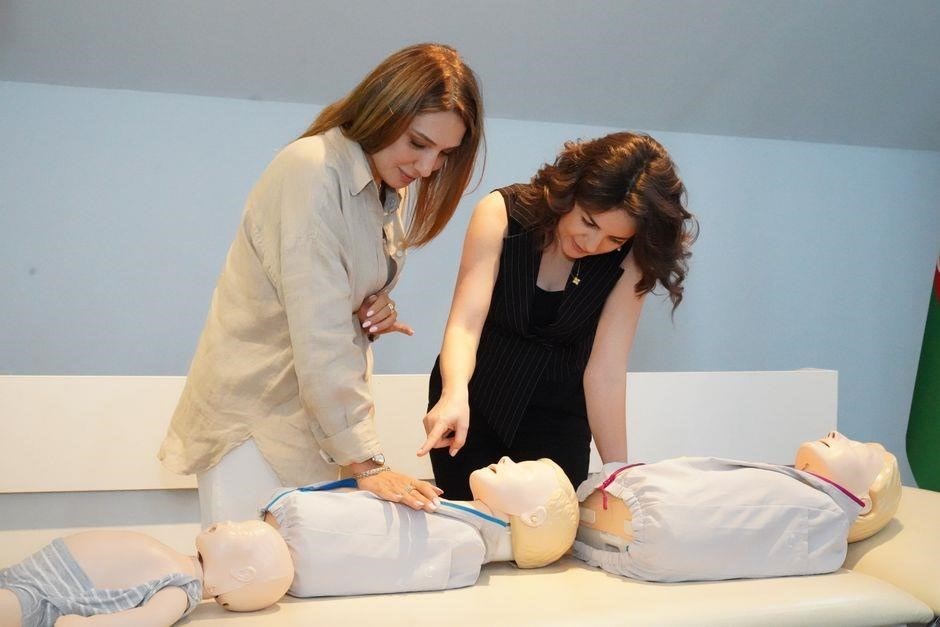
To enroll in the Basic Life Support Instructor Course, candidates must hold a current Basic Life Support (BLS) certification from an accredited organization such as the American Red Cross, American Heart Association, or comparable provider. The BLS credential should be valid and not older than 24 months. Candidates should also possess a valid CPR instructor certification or equivalent teaching experience, demonstrating proficiency in adult, pediatric, and infant resuscitation techniques. A clean background check, including a recent criminal record review, is required to ensure safety and trustworthiness. Physical fitness is essential; applicants must complete a medical clearance form confirming they can perform hands‑on CPR and AED demonstrations without undue fatigue. Additionally, prospective instructors should have a minimum of 12 hours of prior BLS training, with at least 6 hours dedicated to instructor‑led practice sessions. This foundation ensures that candidates can effectively translate theoretical knowledge into practical instruction. Finally, applicants must submit a completed application package, including proof of current BLS certification, instructor credentials, background check authorization, and a signed consent form for data usage. Upon approval, candidates will receive access to the online learning portal and scheduling information for the in‑person component of the course. Candidates will also complete a competency assessment and submit a teaching plan, ensuring they can design plans and evaluate trainee daily performance.
Online Learning Modules
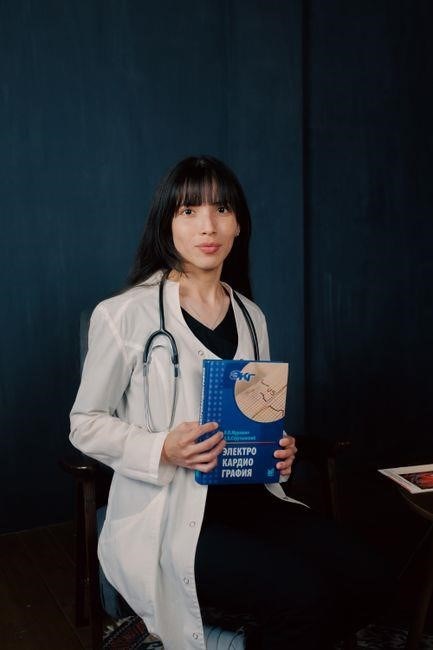
The online portion of the Basic Life Support Instructor Course is a self‑paced, blended learning experience designed to reinforce core teaching concepts before the hands‑on session. Candidates access a secure Learning Center portal that hosts a series of interactive modules, each lasting 30–45 minutes. Topics include adult, pediatric, and infant CPR fundamentals, AED operation, airway management, and the latest resuscitation guidelines. Each module incorporates video demonstrations, quizzes, and reflective prompts that require candidates to analyze case scenarios and articulate teaching strategies. The platform tracks progress in real time, allowing instructors to review performance metrics and identify areas for improvement. Upon completion of all modules, candidates must pass a cumulative assessment with a minimum score of 80 % to unlock the in‑person portion. The online curriculum is updated annually to reflect guideline changes and incorporates accessibility features such as closed captioning, transcripts, and adjustable playback speed. This modular approach ensures that all candidates arrive at the classroom ready to deliver high‑quality, evidence‑based instruction.
Accessibility features such as closed captions, transcripts, and adjustable playback speed support diverse learners. Adaptive quizzes adjust difficulty based on prior performance, ensuring mastery. The system logs time per section, allowing instructors to identify gaps and tailor follow‑up sessions. The curriculum aligns with the latest American Heart Association guidelines, keeping instruction current and evidence‑based. and continuous improvement.

Instructor Eligibility and Training
Qualified instructors must hold a current Basic Life Support certification, complete prerequisite refresher courses, and attend a 2‑day instructor training. The course covers teaching methods, assessment, and legal responsibilities, ensuring readiness to train others.
Eligibility Criteria
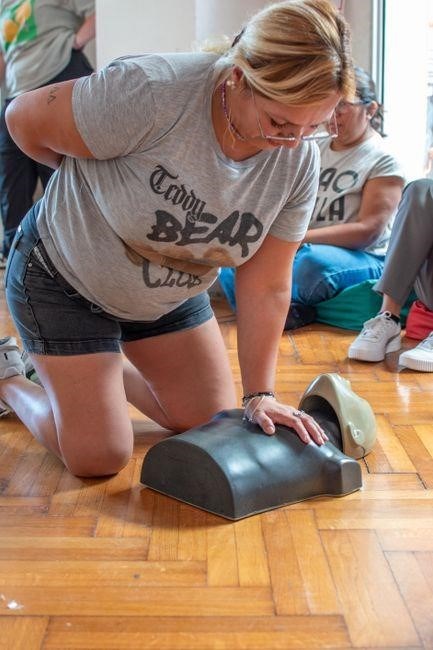
To qualify as a Basic Life Support (BLS) instructor, candidates must meet a set of rigorous standards designed to ensure they possess both the knowledge and the practical skills necessary to train others effectively. First, applicants are required to hold an active, current BLS certification issued by a recognized authority such as the American Red Cross, American Heart Association, or an equivalent organization. This certification must be valid for at least twelve months at the time of application and must have been earned within the last two years to guarantee that the instructor’s skills remain up-to-date with the latest protocols and guidelines.
Second, candidates must have completed a minimum of 150 hours of clinical or emergency response experience. This experience can be accrued through roles in healthcare settings, emergency medical services, or other relevant environments where BLS techniques are applied regularly. The experience should demonstrate proficiency in performing CPR, using automated external defibrillators (AEDs), and managing airway emergencies in a variety of patient populations.
Third, applicants must successfully pass a written assessment that tests their understanding of BLS theory, including anatomy, physiology, and the step‑by‑step procedures for adult, pediatric, and infant resuscitation. The assessment is administered online and covers topics such as the ABCs of emergency care, the latest CPR compression rates, and the correct use of AEDs.
Fourth, candidates must attend a two‑day instructor training workshop conducted by certified BLS instructor trainers. This workshop focuses on adult learning principles, effective communication, and hands‑on teaching techniques. Participants practice delivering instruction, managing learner variability, and providing constructive feedback in simulated scenarios.
Finally, applicants must submit a professional reference and a statement of intent outlining their commitment to teaching BLS skills. The reference should attest to the candidate’s clinical competence and teaching potential, while the statement should reflect their motivation to contribute to community health and safety through education.
Teaching Methodologies and Assessment
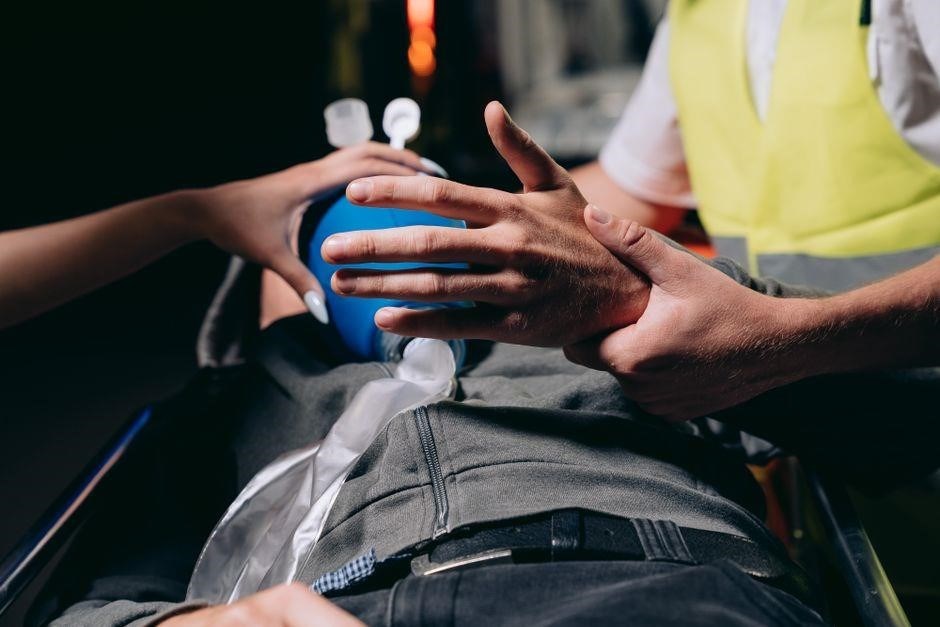
Blended learning combines online modules with hands‑on labs, using interactive videos, case studies, and real‑time feedback. Assessments blend formative quizzes, skill stations, and peer review to ensure mastery of CPR, AED use, and airway management. Confidence.!!
Instructional Strategies
Instructional strategies in the Basic Life Support Instructor Manual prioritize adult learning principles, ensuring that instructors can translate theory into practice. The curriculum blends synchronous online modules with asynchronous self‑study, allowing participants to review core concepts such as CPR sequence, AED operation, and airway management at their own pace.
Hands‑on labs are integral, employing high‑fidelity mannequins and simulation scenarios that mirror real emergencies. Instructors are trained to debrief effectively, using the “I‑DID” model—Identify, Describe, Interpret, Decide—to guide learners through reflective practice. Peer‑review cycles are embedded, encouraging participants to observe and critique each other’s technique, fostering a collaborative learning environment.
Assessment is formative and summative. Formative checks include short quizzes after each module, skill checklists during labs, and real‑time polling during virtual sessions. Summative assessment requires a competency demonstration that covers all BLS components, scored against a standardized rubric. Feedback is immediate, with corrective guidance tailored to each learner’s performance gaps.
Technology integration supports adaptive learning pathways. The Learning Management System tracks progress, automatically adjusting content difficulty based on quiz results. Gamification elements—such as badges for milestone achievements—motivate continued engagement. Accessibility features, including captions and adjustable font sizes, ensure inclusivity for all participants. Learners also practice decision‑making under pressure.
Finally, instructors are encouraged to apply the “Teach‑Back” method, asking learners to explain procedures in their own words. This reinforces retention and confirms comprehension before advancing to the next module. By combining these strategies, the manual equips instructors to deliver high‑quality, evidence‑based Basic Life Support education that meets national standards and improves patient outcomes. Thanks!!

Trainee Assessment Techniques
Assessment methods in the Basic Life Support instructor manual evaluate knowledge and skill proficiency. The curriculum uses a tiered approach, beginning with formative checkpoints that include multiple‑choice quizzes, short answer questions, and interactive case studies. Checkpoints are embedded after each online module, allowing trainees to self‑diagnose gaps before progressing. During in‑person labs, instructors use standardized skill checklists that capture critical actions such as hand placement, compression depth, and AED electrode placement. Each checklist is scored on a 5‑point Likert scale, providing quantitative data for performance trends.
Summative assessment culminates in an OSCE also simulating a full emergency scenario. Trainees rotate through stations testing airway, CPR quality, defibrillation timing also. Observers score each station with rubric covering procedural accuracy and decision speed also. OSCE results compare against national benchmarks, aligning full American Heart Association standards full!

Feedback is immediate and structured; Instructors conduct debriefing sessions with the “I‑DID” framework—Identify, Describe, Interpret, Decide—to help trainees reflect on their actions. Written feedback is provided within 48 hours, highlighting strengths and recommending targeted practice.
To support continuous learning, the manual recommends a post‑course refresher module. This module includes a 10‑question rapid‑fire quiz and a 5‑minute video demonstration that trainees must watch and replicate. Completion of this refresher is required for certification renewal, ensuring that instructors maintain up‑to‑date skills and knowledge.
Certification and Continuing Education
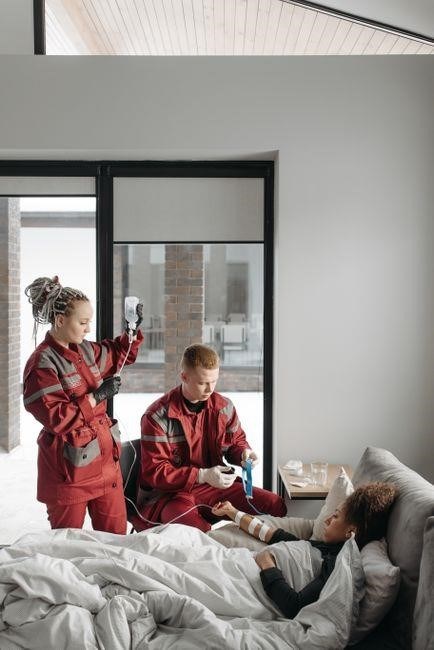
Certification lasts two years. Instructors must complete 20 hours of continuing education, including annual refresher courses and evidence of current CPR, AED, and BLS knowledge. Documentation is submitted to the certifying body for renewalProof needed soon.
Certification Validity
The Basic Life Support Instructor certification is valid for two years from issuance. Instructors must keep an active Basic Life Support (BLS) certification at the basic level to stay current with guidelines. The American Red Cross issues the certificate, recognized worldwide. Proof of current BLS and any training during the period must be submitted to the certifying body. Failure to provide documentation may lead to suspension or revocation. Upon expiration, instructors must re‑enroll, complete online modules, and pass an in‑person assessment to renew. This renewal ensures high teaching standards and quality BLS education. The certifying body tracks validity and sends reminders 30 days before expiration. Instructors can extend validity by completing approved continuing education credits, but credits do not replace full renewal. The certificate shows an expiration date and a unique identifier for renewal. Failure to renew on time may revoke teaching privileges until reinstated. Renewal keeps instructors up‑to‑date with evolving science and methods. Maintaining valid certification ensures learners receive instruction reflecting current best practices.
To support continuous improvement, instructors are encouraged to engage in peer review sessionsand share best practices. Documentation of teaching hours and feedback from trainees is collected to monitor instructional quality. The certification process includes a self‑assessment component that prompts instructors to reflect on their teaching methods and identify areas for growth.Update!!!
Continuing Education Requirements
Instructors must complete a minimum of 30 continuing education (CE) hours within each two‑year certification cycle. CE activities may include workshops, webinars, peer‑review sessions, or advanced simulation courses. The American Red Cross recommends a mix of didactic and hands‑on modules to reinforce both knowledge and skill retention. Instructors should document all CE activities in the online instructor portal, attaching certificates or proof of attendance; Failure to meet the CE quota results in automatic suspension of teaching privileges until the requirement is satisfied. Instructors who exceed the minimum CE hours may receive a “CE‑Excess” badge, which can be displayed on their instructor profile and may qualify them for advanced teaching roles. The CE curriculum is updated annually to reflect changes in guidelines, new technology, and emerging best practices. Instructors are encouraged to review the latest American Heart Association (AHA) updates and incorporate them into their teaching. The CE process also includes a reflective component, where instructors assess the impact of their training on learner outcomes and identify areas for improvement. This reflective practice is essential for maintaining instructional quality and ensuring that all trainees receive current, evidence‑based BLS education. All CE records are verified by the certifying authority, and instructors must keep records for at least five years after the end of their certification period. Continuing education also supports instructor confident and learner satisfaction.