

canon rx100 manual
Canon RX100 Manual: A Comprehensive Guide
Navigating the Canon RX100’s features requires a solid understanding of its manual‚ readily available online as a downloadable PDF from Canon’s official website․
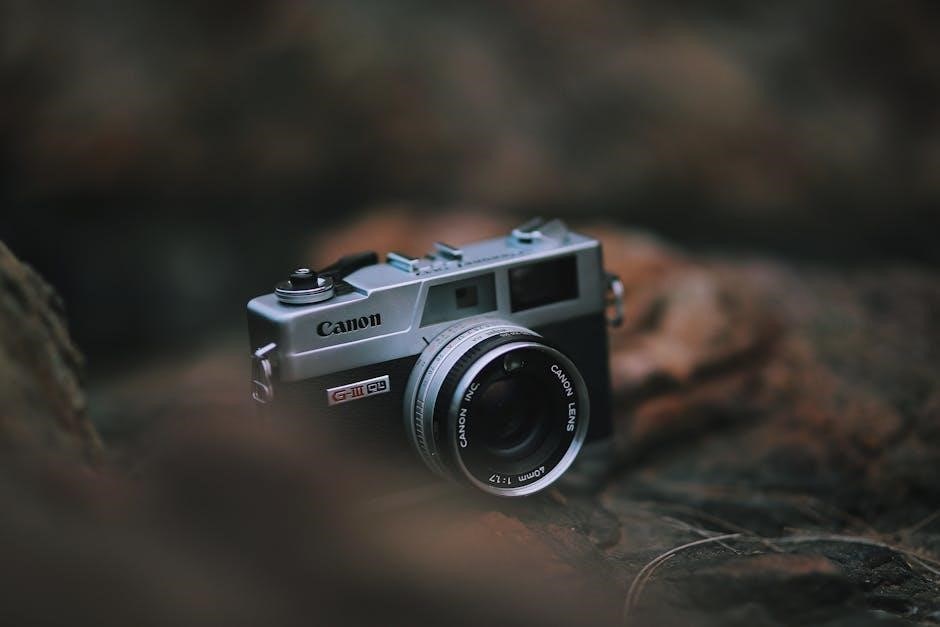
The Canon RX100 series represents a remarkable line of compact cameras‚ celebrated for their exceptional image quality packed into a remarkably pocketable form factor․ Despite the absence of traditional printed manuals included in the box‚ comprehensive guidance is readily accessible online․ These cameras‚ though manufactured by Sony (often mistakenly referred to as Canon in searches)‚ boast advanced features appealing to both novice and experienced photographers․
Understanding the nuances of the RX100 requires delving into the official Sony resources‚ including the User Guide and extended Operations Guide․ These documents detail every function‚ setting adjustment‚ and troubleshooting step․ Remember that example images within the guides are representative and may not perfectly reflect actual camera output․ The series’ appeal lies in its balance of portability and professional-grade capabilities․
Finding the Official Canon RX100 Manual Online
Locating the official Canon RX100 (Sony Cyber-shot DSC-RX100) manual is primarily achieved through Sony’s official website․ While often searched for as “Canon‚” these cameras are Sony products‚ so direct your search accordingly․ Downloadable PDF versions are available in multiple languages‚ offering a convenient way to access detailed instructions; The standard User Guide explains camera functions‚ setting changes‚ and troubleshooting․

For a more in-depth understanding‚ seek out the extended Operations Guide‚ accessible via Sony’s support pages․ Be aware that example images within these guides are reproduced and may differ from actual camera output․ Many users find Sony’s Help Guide useful‚ though it can be somewhat complex․ Remember to check for the newest version of the extended manual on Sony’s website․
Understanding the User Guide Contents
The Canon RX100 (Sony) User Guide comprehensively details every function of the camera‚ providing step-by-step instructions for adjusting settings and resolving potential issues․ It’s crucial to understand that example images within the guide are reproductions‚ not actual shots from the camera itself․ The guide‚ often presented as a PDF‚ is structured to assist both novice and experienced photographers․
Expect to find sections covering initial setup‚ shooting modes (Auto‚ Program‚ etc․)‚ focusing options (AF-S‚ AF-C‚ DMF)‚ and image quality settings․ The extended Operations Guide offers even more detailed explanations․ While the official manual may seem basic to some‚ it serves as a foundational resource․ Supplement it with Sony’s Help Guide for a broader understanding of the camera’s capabilities․
Navigating the Digital Manual (PDF Format)
The Canon RX100’s digital manual‚ typically a PDF‚ is best viewed with software capable of handling its features․ While examples suggest compatibility with older browsers like Internet Explorer 7‚ modern PDF readers offer a superior experience․ Utilize the search function within the PDF to quickly locate specific settings or troubleshooting information․
Pay attention to the table of contents for a structured overview of the manual’s sections․ Zoom functionality is essential for detailed diagrams and small text․ Remember the manual’s images are representative‚ not necessarily exact depictions of the camera’s interface․ Downloading the extended Operations Guide provides a more complete reference‚ accessible via Sony’s website for the latest version․
Camera Basics & Setup
Initial setup involves menu navigation‚ selecting shooting modes (Auto‚ Program)‚ and understanding focusing options like AF-S‚ AF-C‚ and DMF for optimal results․
Initial Camera Setup & Menu Navigation
Upon unboxing your Canon RX100‚ you’ll notice the absence of a printed manual – directing users to the online PDF version․ Initial setup begins with powering on the camera and navigating the menu system․ While the official Sony User Manual can feel inadequate‚ and the Help Guide somewhat confusing‚ understanding the menu’s structure is key․

The menu allows customization of settings‚ from image quality to focusing modes․ Familiarize yourself with the different sections; exploring each option will unlock the camera’s full potential․ Remember the example illustrations in the User Guide may reflect Internet Explorer 7‚ but the core functionality remains consistent․ Take time to adjust settings to your preferences for a personalized shooting experience․
Understanding the Shooting Modes (Auto‚ Program‚ etc․)
The Canon RX100 offers a variety of shooting modes to suit different skill levels and photographic situations․ The standard ‘Auto’ mode is the easiest to use‚ ideal for beginners or quick snapshots․ For more control‚ ‘Program’ mode allows adjustments to settings like ISO and white balance while the camera manages aperture and shutter speed․
Advanced users can explore ‘Aperture Priority’ and ‘Shutter Priority’ for precise control over depth of field and motion blur․ Furthermore‚ the ‘Manual’ mode grants complete creative freedom․ Understanding the AF-C mode‚ which continuously focuses on moving subjects‚ and DMF‚ which combines autofocus with manual fine-tuning‚ is crucial for capturing sharp images․
Focusing Modes Explained: AF-S‚ AF-C‚ and DMF
The Canon RX100 series provides several focusing modes tailored for diverse shooting scenarios․ AF-S (Single Autofocus) is best for stationary subjects; the camera focuses once when the shutter button is half-pressed․ AF-C (Continuous Autofocus) continuously tracks moving subjects‚ maintaining focus as they change position – perfect for action photography․
DMF (Direct Manual Focus) offers a hybrid approach․ The camera initially autofocuses‚ then allows for precise manual adjustments using the lens’s focus ring․ This is ideal when you need pinpoint accuracy beyond what autofocus can achieve․ Mastering these modes ensures sharp‚ well-focused images‚ regardless of the subject’s movement or your desired level of control․
Image Quality Settings: Resolution & Compression
Understanding resolution and compression is crucial for optimizing image quality and storage space on your Canon RX100․ Resolution dictates the image’s detail – higher resolutions (measured in megapixels) capture more information‚ allowing for larger prints and more cropping flexibility․ However‚ higher resolutions also create larger file sizes․
Compression determines how much those files are reduced in size․ RAW format offers the highest quality with no compression‚ providing maximum editing latitude․ JPEG offers varying compression levels; lower compression means better quality but larger files‚ while higher compression saves space but sacrifices detail․ Choosing the right balance depends on your shooting needs and storage capacity․
Advanced Features & Settings
Delve into the Canon RX100’s advanced capabilities‚ including manual focus‚ extensive customization options‚ precise white balance control‚ and effective exposure compensation․
Utilizing the Manual Focus Ring
The Canon RX100 series offers a manual focus ring‚ providing photographers with precise control over their image sharpness‚ especially useful for intricate shots or specific creative effects․ This feature allows for fine-tuning beyond the automatic focusing capabilities‚ offering a more deliberate approach to achieving desired focus points․
DMF (Direct Manual Focus) mode is particularly valuable‚ enabling the camera to initially autofocus on a subject and then allowing the photographer to seamlessly take over and refine the focus using the ring․ This hybrid approach combines the speed of autofocus with the accuracy of manual control․ Mastering the manual focus ring unlocks a new level of artistic expression and precision in your photography‚ allowing for nuanced adjustments that automated systems may miss․
Exploring the Customization Options
The Canon RX100 series boasts extensive customization options‚ allowing photographers to tailor the camera’s functionality to their individual shooting styles and preferences․ These settings‚ accessible through the camera’s menu system‚ cover a wide range of parameters‚ from button assignments to display settings․
Users can personalize the function of various buttons‚ assigning frequently used features for quicker access․ Display settings can be adjusted to show or hide specific information in the viewfinder or on the LCD screen․ Furthermore‚ the camera allows for the creation of custom shooting profiles‚ saving preferred combinations of settings for different scenarios․ Exploring these options empowers photographers to optimize their workflow and enhance their overall shooting experience‚ making the RX100 a truly personalized tool․
Understanding White Balance Settings
Accurate color reproduction is crucial in photography‚ and the Canon RX100’s white balance settings play a vital role in achieving this․ White balance adjusts the color temperature of your images‚ ensuring that whites appear white and colors are rendered naturally‚ regardless of the lighting conditions․
The RX100 offers a variety of preset white balance modes‚ including Daylight‚ Cloudy‚ Fluorescent‚ and Incandescent‚ catering to common lighting scenarios․ A Custom setting allows users to manually set the white balance using a white or gray card for precise color accuracy․ Auto White Balance (AWB) is convenient‚ but can sometimes be inaccurate․ Understanding how to effectively utilize these settings is key to capturing images with realistic and pleasing colors‚ avoiding unwanted color casts and ensuring consistent results․
Working with Exposure Compensation
Exposure compensation allows you to fine-tune the brightness of your images‚ overriding the camera’s automatic metering system when necessary․ This is particularly useful in challenging lighting situations where the camera might underexpose or overexpose the scene․
The Canon RX100’s exposure compensation is typically adjusted in steps (e․g․‚ +1‚ -1 EV)․ Positive values brighten the image‚ while negative values darken it․ For example‚ shooting a bright snowy scene might require negative exposure compensation to prevent the image from becoming washed out․ Conversely‚ a dark subject against a bright background may benefit from positive compensation․ Mastering exposure compensation gives you greater control over the final look of your photographs‚ ensuring properly exposed images in diverse conditions․
Troubleshooting Common Issues
Common problems like error messages‚ focusing difficulties‚ and battery concerns are addressed in the Canon RX100 manual‚ alongside Wi-Fi and USB transfer solutions․
Addressing Common Error Messages

Encountering error messages with your Canon RX100 can be frustrating‚ but the official manual provides valuable guidance․ Many issues stem from the memory card – ensure it’s properly inserted and not full․ If an error persists‚ try formatting the card within the camera’s menu․ Other common messages relate to lens operation; cleaning the lens or restarting the camera often resolves these․
The manual details specific error codes and their meanings‚ offering step-by-step solutions․ It also advises checking the battery level‚ as low power can sometimes trigger false errors․ Remember that the example images in the user guide are reproductions‚ not actual shots‚ so discrepancies may occur․ For persistent issues‚ consulting Sony’s online support or the extended operations guide is recommended․
Resolving Focusing Problems
Focusing issues on the Canon RX100 can often be addressed by understanding the available focusing modes․ The manual explains AF-S (single autofocus) for stationary subjects‚ AF-C (continuous autofocus) for moving subjects‚ and DMF (direct manual focus) for fine-tuning․ Ensure the correct mode is selected for your shooting scenario․

If autofocus struggles‚ try a different focus area – spot‚ center‚ or wide․ Clean the lens‚ as smudges can interfere with focusing accuracy․ Experiment with focus sensitivity settings within the camera’s menu․ Remember the RX100 allows manual focus adjustment using the lens ring in DMF mode․ If problems persist‚ refer to Sony’s help guide for detailed troubleshooting steps and consider the extended operations guide for comprehensive instructions․
Battery Life & Charging Tips
Maximizing battery life on your Canon RX100 involves understanding power consumption․ The manual doesn’t explicitly detail charging tips‚ but generally‚ using the LCD screen less and disabling Wi-Fi when not needed conserves power․ Avoid extreme temperatures‚ as they can reduce battery performance․
Fully charge the battery before initial use and when storing the camera for extended periods․ Utilize the USB connection for charging‚ and be aware that using the camera while charging may slow down the process․ Consider purchasing a spare battery for longer shooting sessions‚ especially when traveling․ Refer to Sony’s online support for specific battery specifications and optimal charging practices․
Connectivity: Wi-Fi & USB Transfer
The Canon RX100 offers both Wi-Fi and USB connectivity for seamless image transfer and remote control․ The manual guides users through pairing the camera with smartphones via Wi-Fi using Sony’s Imaging Edge Mobile app․ This allows for easy image transfer and remote shutter release․
USB transfer is achieved by connecting the camera to a computer․ The camera appears as a storage device‚ enabling direct file copying․ Ensure the camera is powered on during the transfer․ While the official manual may lack detailed troubleshooting‚ Sony’s help guide provides solutions for connectivity issues․ Remember to check for app updates for optimal performance and compatibility․
Resources & Further Learning
For expanded knowledge‚ explore Sony’s Help Guide and download the Extended Operations Guide from their website for comprehensive RX100 support․
Sony Help Guide & Online Support
Sony provides a comprehensive Help Guide accessible online‚ offering a more detailed exploration of the RX100’s functionalities than the standard User Manual․ While some users find the Help Guide initially confusing due to its extensive nature‚ it ultimately serves as a valuable resource for understanding the camera’s intricacies․ It’s a great starting point for those seeking clarification beyond the basic operational instructions․
The official Sony website is the central hub for online support‚ offering FAQs‚ troubleshooting tips‚ and downloadable resources․ Many users have reported success finding answers to specific questions within the Sony support forums․ Remember that the examples within the User Guide utilize screenshots from Internet Explorer 7‚ which may differ from your browsing experience․ Utilizing these resources can significantly enhance your understanding and enjoyment of the RX100 series․
Downloading the Extended Operations Guide
For a truly in-depth understanding of your Canon RX100‚ accessing the Extended Operations Guide is crucial․ This guide provides complete instructions‚ going far beyond the basics covered in the standard User Manual․ Sony offers the latest version of this guide for download directly from their website‚ providing a wealth of information for both novice and experienced photographers․
The Extended Operations Guide details every feature and setting‚ offering a comprehensive reference for maximizing your camera’s potential․ It’s particularly useful for exploring advanced techniques and troubleshooting complex issues․ Downloading and reviewing this guide will unlock a deeper appreciation for the RX100’s capabilities‚ ensuring you can fully utilize its impressive features․ Look for it on the Sony Cyber-shot DSC-RX100 support page․