
minky wash instructions
Understanding Minky Fabric
Minky fabric, a luxurious and soft plush, is highly sought after for its beautiful sheen and flexibility, making it ideal for various comforting creations․
What is Minky Fabric?
Minky fabric is a wonderfully soft, plush fabric, often described as luxurious and cuddly, boasting a beautiful sheen that sets it apart․ It’s a knitted polyester fabric with a short, dense pile, creating an incredibly tactile experience․ Commonly used for blankets, plush toys, and clothing, its flexibility and comforting texture make it a favorite for creating items meant to be cherished․
This fabric’s popularity stems from its exceptional softness and durability; While often compared to fleece, minky offers a more velvety feel and a higher quality appearance․ Understanding its composition is key to proper care, ensuring its lasting softness and preventing damage during washing and drying processes․
Types of Minky Fabric (Cuddle, Luxe, etc․)
Minky fabric isn’t a one-size-fits-all material; several variations cater to different project needs․ Cuddle minky is the most common, known for its incredibly soft, plush pile on both sides․ Luxe minky boasts an even denser, more luxurious pile, offering a premium feel․ There’s also short pile minky, which has a shorter, smoother texture, and razor minky, offering a unique, slightly textured surface․
Each type retains the core qualities of minky – softness and durability – but their differing pile heights and textures influence their suitability for various applications and, subtly, their washing requirements․ Understanding these distinctions helps ensure optimal care․

Preparing Your Minky for Washing
Before washing, always check the fabric tag for specific instructions and address any stains promptly to maintain minky’s luxurious softness and appearance․
Checking the Fabric Tag
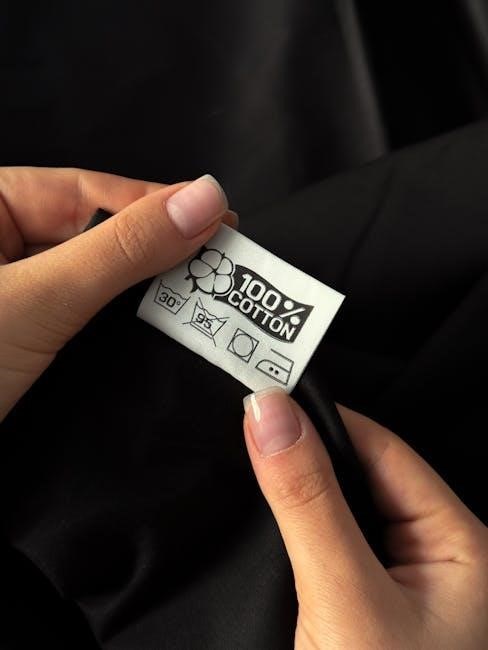
Always begin by meticulously examining the fabric tag attached to your minky material․ This tag serves as the primary source of washing guidance provided by the manufacturer, offering crucial insights into the fabric’s composition and recommended care procedures․ Pay close attention to symbols indicating water temperature limitations, drying methods, and whether ironing is permissible․
Different minky types – like cuddle or luxe – may have varying care requirements․ Ignoring these instructions could lead to undesirable outcomes such as shrinkage, pilling, or a loss of the fabric’s signature softness․ The tag will often specify if a mild detergent is necessary and if bleach should be avoided entirely․ Prioritizing the tag’s guidance ensures the longevity and pristine condition of your cherished minky creations․
Pre-Wash Considerations
Before initiating the washing process, consider several preparatory steps to safeguard your minky fabric’s integrity․ It’s generally advisable to pre-wash minky, especially if used for baby items, to remove any manufacturing residues or potential irritants․ Turn the fabric inside out to minimize surface abrasion during washing, preserving the plush pile․
Secure any loose threads or embellishments to prevent snagging․ Pre-washing also helps assess colorfastness, identifying potential bleeding before it affects other items․ Avoid washing minky with abrasive materials like zippers or Velcro, which can cause damage․ Careful pre-wash preparation contributes significantly to maintaining minky’s luxurious texture and appearance․
Addressing Stains Before Washing
Promptly treating stains on minky fabric is crucial, as its plush texture can readily trap substances․ Avoid harsh chemicals or abrasive scrubbing, which can damage the delicate pile․ Gently blot the stain with a clean, damp cloth, working from the outside in to prevent spreading․
For stubborn stains, consider a mild detergent diluted in water, testing it on an inconspicuous area first․ Rinse thoroughly to remove any detergent residue․ Avoid using bleach, as it can discolor and weaken the fibers․ Addressing stains before washing prevents them from setting, preserving the minky’s softness and appearance․
Washing Minky Fabric: Machine Washing
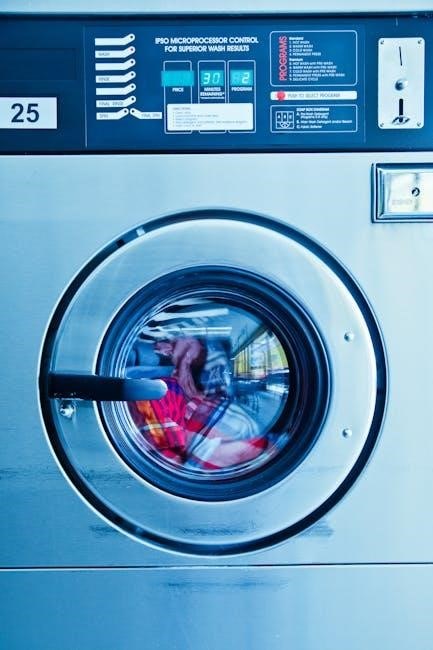
Machine washing minky requires a gentle approach: use cool water, mild detergent, and a delicate cycle to maintain its luxurious softness and prevent damage․
Water Temperature Guidelines
Maintaining minky’s plush texture hinges on careful water temperature control during washing․ Always opt for cold water – ideally below 86°F (30°C) – to prevent fiber damage and minimize shrinkage․ Hot water can cause the fibers to break down, leading to a loss of softness and potential matting․
Warm water, while seemingly gentler than hot, still poses a risk․ Cold water effectively cleans the fabric without compromising its delicate structure․ Consistent use of cold water will significantly extend the lifespan and luxurious feel of your minky creations, ensuring they remain wonderfully soft wash after wash․ Avoid temperature fluctuations during the cycle․
Detergent Selection (Mild vs․ Harsh)
Choosing the right detergent is crucial for preserving minky fabric’s signature softness․ Always prioritize mild, liquid detergents specifically designed for delicate fabrics․ Harsh detergents containing enzymes, bleach, or fabric softeners can strip the fibers of their natural oils, causing them to become matted and lose their plushness․
Powder detergents are generally not recommended as they may not dissolve completely, leaving residue that can contribute to matting․ Opt for a hypoallergenic, fragrance-free option to minimize potential irritation․ A gentle touch with detergent ensures your minky remains irresistibly soft and cuddly, maintaining its luxurious quality․
Washing Cycle Selection (Delicate/Gentle)
Selecting the appropriate washing cycle is paramount when caring for minky fabric․ Always choose the delicate or gentle cycle on your washing machine․ These cycles utilize slower agitation speeds and a shorter wash time, minimizing stress on the delicate fibers․ Avoid using normal or heavy-duty cycles, as they can cause excessive wear and tear, leading to matting and pilling․
A gentle cycle ensures the fabric is cleaned effectively without compromising its plush texture․ Consider using a mesh laundry bag for added protection during the wash, further preventing friction and maintaining the fabric’s luxurious feel․
Washing Minky with Other Fabrics
Washing minky fabric alongside other items requires careful consideration to protect its delicate nature․ It’s generally best to wash minky separately, but if combining loads, pair it only with similarly soft fabrics – think fleece or other plush materials․ Avoid washing minky with items that have zippers, hooks, or rough textures, as these can snag and damage the pile․
Darker colored minky should be washed with similar shades to prevent dye transfer․ Always prioritize gentle cycles and mild detergents when mixing fabrics, ensuring the minky’s softness remains intact after washing․

Washing Minky Fabric: Hand Washing
For delicate minky items, gently submerge in cool water with mild detergent, swishing carefully; avoid harsh scrubbing to preserve the luxurious, soft pile․
Best Practices for Hand Washing
Hand washing minky fabric requires a gentle approach to maintain its signature softness․ Begin by filling a clean sink or basin with cool water – warmth can cause shrinkage or matting․ Add a very small amount of mild, liquid detergent specifically designed for delicates; avoid powders, as they may not dissolve completely․
Submerge the minky item and gently swish it around, allowing the water to circulate and loosen any dirt․ Resist the urge to scrub, twist, or wring the fabric, as this can damage the delicate fibers․ Let it soak for no more than 15-20 minutes․
Once soaked, carefully drain the soapy water and rinse the minky thoroughly with cool, clean water until all traces of detergent are gone․ Again, avoid harsh squeezing; gently press out excess water․
Water and Detergent Mixture
Creating the ideal water and detergent mixture is crucial for successfully hand washing minky fabric․ Always use cool or lukewarm water; hot water can cause shrinkage and damage the plush pile․ Opt for a mild, liquid detergent formulated for delicates – baby shampoo is a surprisingly effective choice!
Avoid detergents containing harsh chemicals, bleach, or fabric softeners, as these can strip the minky of its softness․ A tiny amount of detergent is all you need; approximately one teaspoon per gallon of water is sufficient․
Thoroughly dissolve the detergent in the water before adding the minky item, ensuring even distribution and preventing concentrated detergent spots․ Gently agitate the water to create a light lather․
Gentle Washing Techniques
Employing gentle washing techniques is paramount when handling minky fabric․ Submerge the minky item in the prepared water and detergent mixture, ensuring it’s fully saturated․ Avoid vigorous scrubbing or twisting, as this can mat the pile and cause damage․ Instead, gently swish the fabric around in the water, allowing it to clean itself․
Focus on lightly squeezing the fabric to work the soapy water through the fibers․ Pay extra attention to any soiled areas, but avoid harsh rubbing․ Let the minky soak for no more than 15-20 minutes․
Once soaked, carefully lift the item from the water, supporting its weight to prevent stretching․ Do not wring it out!

Drying Minky Fabric
Proper drying is crucial for maintaining minky’s softness; low heat in the machine or careful air drying prevents shrinkage and preserves the luxurious pile․
Machine Drying (Low Heat)
When machine drying minky fabric, prioritizing a low heat setting is absolutely essential to safeguard its incredibly soft texture and prevent potential damage․ High heat can cause the fibers to melt or become severely matted, irrevocably altering the fabric’s desirable plushness․
Consider adding dryer balls – wool or plastic – to the cycle; these help to circulate air, promoting even drying and further fluffing the pile․ Regularly check the fabric’s dryness during the cycle to avoid over-drying, which can also contribute to matting․
Removing the minky promptly once dry is also recommended to minimize wrinkles and maintain its overall quality․ Remember, patience is key when drying minky – a gentle approach yields the best results!
Air Drying Methods (Flat vs․ Hanging)
Air drying minky fabric presents two viable options: flat drying and hanging․ Flat drying, achieved by laying the fabric on a clean, dry surface, is generally preferred as it minimizes stretching and distortion of the plush pile․ Ensure adequate ventilation to expedite the drying process and prevent mildew․
Hanging is possible, but requires caution; use a padded hanger to avoid creating pressure points that could permanently alter the fabric’s shape․
Regardless of the method, avoid direct sunlight, which can cause fading․ Gently fluff the minky while still slightly damp to restore its loft and softness․ Patience is crucial, as air drying takes considerably longer than machine drying․
Avoiding Shrinkage During Drying
Minky fabric, while generally stable, can experience some shrinkage, particularly with its first wash․ To minimize this, avoid high heat during drying․ Machine drying on a low heat setting is preferable to air drying, though both require attention․
If machine drying, periodically check the fabric’s size and remove it while still slightly damp․
For air drying, gently stretch the fabric back to its original dimensions while damp․ Avoid over-drying, as this exacerbates shrinkage and can damage the delicate fibers․ Consistent, gentle care is key to preserving the fabric’s size and luxurious texture․
Maintaining Minky’s Softness
Preserving softness involves avoiding friction and considering fabric softener use – while some find it beneficial, others suggest it diminishes the plush texture over time․
Fabric Softener Usage (Pros & Cons)
The debate surrounding fabric softener and minky fabric is quite common among crafters and enthusiasts․ On the one hand, fabric softener can initially enhance the incredibly soft feel that minky is known for, leaving items feeling extra plush and cuddly after washing․ However, repeated use can potentially coat the fibers, reducing their breathability and diminishing that signature softness over time․
Furthermore, some fabric softeners contain chemicals that may break down the delicate fibers of minky, leading to matting or pilling․ A viable alternative is to use dryer balls during the drying process; these help to fluff the fabric and reduce static cling without the potential drawbacks of liquid softeners․ Ultimately, the decision to use fabric softener is a personal one, weighing the immediate benefits against the potential long-term effects on your cherished minky creations․
Avoiding Friction During Washing & Drying
Preserving minky’s luxurious softness hinges on minimizing friction throughout the cleaning process․ When machine washing, placing minky items inside a mesh laundry bag offers a protective barrier, reducing direct contact with other garments and the washing machine’s agitator․ Similarly, avoid washing minky with items featuring zippers, buttons, or rough textures that could cause snagging or abrasion․
During drying, opting for a low heat setting or air drying is crucial․ High heat can damage the fibers․ If using a dryer, include dryer balls to gently separate the fabric and promote airflow․ Refrain from overcrowding the dryer, as this increases friction․ Gentle handling during all stages will maintain minky’s signature plushness and prevent unwanted wear and tear․
Restoring Softness After Washing
Even with careful washing, minky can sometimes lose a bit of its initial plushness․ A simple tumble in the dryer on a low heat setting with a couple of clean, dry dryer balls can often revive the fibers, gently fluffing them up․ Avoid fabric softener initially, as it can leave a residue that diminishes softness over time․
If the minky still feels a little flat, a light brushing with a soft-bristled brush, moving in the direction of the pile, can help restore its loft․ Steer clear of harsh brushes that could damage the delicate fibers․ Remember, gentle handling is key to maintaining minky’s signature, cuddly texture after each wash․
Troubleshooting Common Issues
Addressing concerns like pilling, matting, or fading requires gentle solutions; preventative care during washing and drying is crucial for minky’s longevity․
Pilling Prevention & Removal
Pilling, those small balls of fiber on the surface, can occur with minky due to friction․ Prevention starts with careful washing – always use a gentle cycle and mild detergent․ Avoid washing minky with abrasive materials like towels or denim․
If pilling does happen, don’t despair! A fabric shaver can carefully remove the pills, restoring the fabric’s smooth texture․ Alternatively, gently brush the minky with a soft-bristled brush in the direction of the pile․ Avoid harsh scrubbing, as this can damage the fibers․ Regular, gentle care significantly minimizes pilling, keeping your minky items looking and feeling their best for years to come․
Matting or Flattening of the Pile
Matting, where the minky’s plush pile becomes compressed and loses its loft, can happen with repeated washing or improper drying․ To prevent this, avoid overloading the washing machine, allowing ample space for the fabric to move freely․ Always use a low heat setting when machine drying, or better yet, air dry completely․
To restore a flattened pile, try gently brushing the minky with a soft-bristled brush, working in the direction of the fibers․ A cool iron, used with a protective pressing cloth, can also help to re-fluff the pile․ Consistent gentle care and proper drying techniques are key to maintaining minky’s signature softness․
Color Fading Prevention
Color fading in minky fabric can be minimized with careful washing practices․ Always wash dark or brightly colored minky separately during the first few washes, as excess dye may bleed․ Utilize cold water exclusively, as hot water accelerates dye release; Opt for detergents specifically designed for delicate fabrics or those labeled “color safe” to protect vibrancy․
Avoid prolonged exposure to direct sunlight during drying, as UV rays contribute to fading․ Turning the minky fabric inside out before washing and drying further safeguards the color․ Consistent, gentle care will help preserve the original hue and keep your minky looking fresh and vibrant for longer․
Specific Minky Care for Different Products
Product-specific care is crucial; blankets need gentle cycles, plush toys may require spot cleaning, and clothing benefits from cool water washes․
Minky Blankets
Washing minky blankets requires a delicate approach to maintain their signature softness․ Always check the care tag first, but generally, machine washing on a gentle cycle with cold water is recommended․ Utilize a mild, liquid detergent, avoiding harsh chemicals or bleach, as these can damage the fibers․
To prevent matting, wash the blanket alone or with other minky items․ Avoid washing with abrasive fabrics like denim or towels․ When drying, tumble dry on low heat or, ideally, air dry flat to prevent shrinkage and maintain the plush texture․ Regularly fluffing the blanket will help restore its loft and softness after washing․
Minky Plush Toys
Cleaning minky plush toys demands extra care due to delicate features like stitched eyes or embellishments․ Hand washing is often the safest method; gently submerge the toy in cool water with a mild detergent and lightly agitate․ Avoid vigorous scrubbing or twisting, which can distort the shape․
For machine washing, place the toy inside a mesh laundry bag to protect it․ Use a delicate cycle and cold water․ Air drying is crucial – avoid direct sunlight or heat․ Ensure the toy is completely dry before allowing a child to play with it, preventing mold growth․ Regular spot cleaning can minimize the need for full washes․
Minky Clothing & Accessories
Washing minky clothing and accessories requires a gentle approach to maintain its signature softness․ Turn garments inside out before washing to protect the plush exterior․ Machine wash on a delicate cycle using cold water and a mild, liquid detergent – avoid bleach or fabric softeners․
When machine drying, use the lowest heat setting or, ideally, air dry flat to prevent matting or shrinkage․ For delicate accessories like headbands, hand washing is recommended․ Regularly checking for and removing any pilling will help preserve the fabric’s pristine condition and extend its lifespan․
Long-Term Minky Care
Protecting minky from sunlight and dust, alongside proper storage and occasional re-fluffing, ensures lasting softness and prevents color fading over extended periods․
Storage Recommendations
For long-term minky care, proper storage is crucial to maintain its luxurious softness and prevent matting․ Avoid storing minky in airtight plastic bags, as this can trap moisture and lead to mildew․ Instead, opt for breathable cotton storage bags or containers․
Ensure the fabric is completely dry before storing to prevent any potential issues․ Gently fold minky items rather than tightly rolling them, as rolling can create creases that are difficult to remove․ Store in a cool, dark, and dry place, away from direct sunlight, which can cause colors to fade over time․
Consider using lavender sachets or cedar chips to deter moths and other pests, but ensure they don’t directly contact the minky fabric․ Regular re-fluffing during storage will also help maintain its pile and prevent flattening․
Protecting from Sunlight & Dust
Minky fabric’s vibrant colors and delicate fibers are susceptible to damage from prolonged sun exposure and dust accumulation․ Direct sunlight can cause fading and weaken the fibers, diminishing the fabric’s luxurious softness․ To mitigate this, avoid displaying minky items in areas with intense direct sunlight․
Regularly dust minky items with a soft brush or vacuum using an upholstery attachment to remove accumulated particles․ This prevents dust from becoming embedded in the pile, which can cause matting․ Consider using curtains or blinds to filter sunlight, and rotate items periodically to ensure even exposure․
Storing minky away from windows and using protective covers can significantly extend its lifespan and preserve its beautiful appearance․
Re-Fluffing Techniques
Minky fabric, despite careful washing, can sometimes lose its signature fluffiness․ To restore its plush texture, gentle re-fluffing is key․ After drying, lightly stretch the fabric in all directions, being careful not to overextend it․ A quick tumble in the dryer on a no-heat or air-only cycle with a clean tennis ball can also help separate the fibers․
For larger items like blankets, gently massage the fabric to redistribute the pile․ Avoid harsh brushing, as this can damage the fibers․ Regular use will naturally help maintain the fluffiness, but these techniques offer a boost when needed, ensuring continued softness․