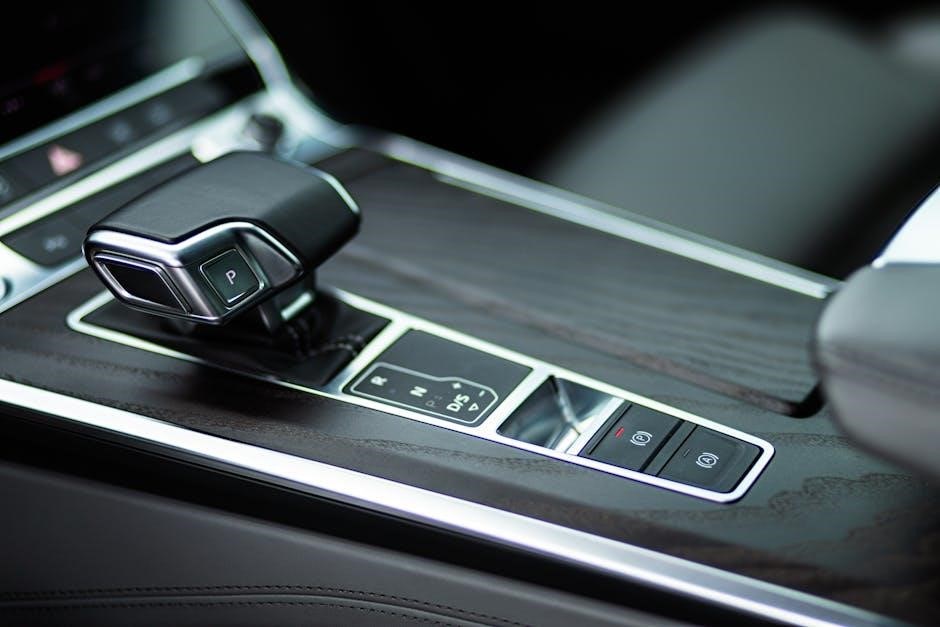

manual shifter for automatic transmission
Article Plan: Manual Shifter for Automatic Transmission (as of 02/03/2026 09:45:58)
This article explores adding manual control to automatics, driven by enthusiast demand despite declining manual options in modern sports cars like the Corvette and Porsche.
Despite automatics dominating, a desire for driver engagement persists. Enthusiasts crave the connection of a manual, even in automatic vehicles, seeking control and a more visceral experience.
The Disappearing Manual Transmission
Traditional manual transmissions are becoming increasingly rare, even in performance vehicles. Manufacturers like Ferrari and Lamborghini have ceased offering manual gearboxes altogether, prioritizing automatic and dual-clutch systems. The Mercedes-Benz AMG GT Coupe also lacks a manual option, signaling a broader industry trend away from driver-operated clutches and shifters, despite enthusiast preferences.
Why Add a Manual Shifter to an Automatic? ー Driver Engagement & Preference
Enthusiasts crave the connection lost with full automatics. A manual shifter restores driver engagement, allowing precise gear selection and a feeling of control. It’s about experiencing the engine’s song and the road, becoming “one with the machine,” even with an electronically controlled transmission underneath.
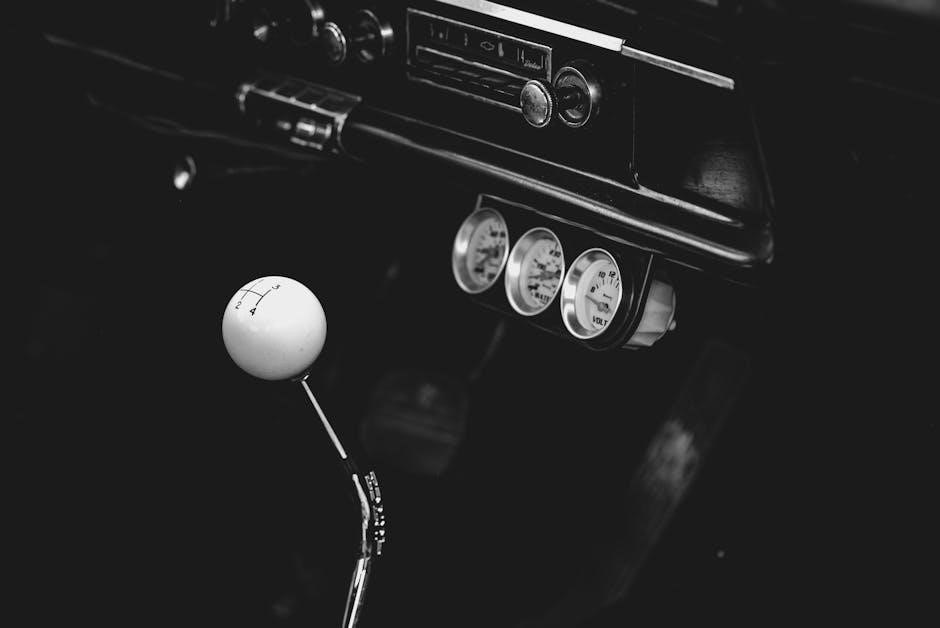
Understanding Automatic Transmissions: How They Work
Automatics use sensors and fluid pressure to shift gears, employing a torque converter instead of a clutch, and relying on a complex valve body for operation.
The Role of the Valve Body and Fluid Flow
The valve body directs fluid flow within the automatic transmission, responding to the gear selector’s movement via the shift linkage. This linkage operates a manual valve, controlling which passages receive pressurized oil; Precise fluid direction dictates gear changes, enabling drive, reverse, and neutral selections – a crucial automatic function.
Torque Converters vs. Traditional Clutch Systems
Automatics utilize torque converters, employing fluid coupling instead of a manual’s direct mechanical clutch. This allows for smoother operation and prevents stalling, but traditionally sacrifices some efficiency; Modern dual-clutch transmissions (DCTs) bridge this gap, offering quicker shifts and improved control, mimicking a manual’s responsiveness.
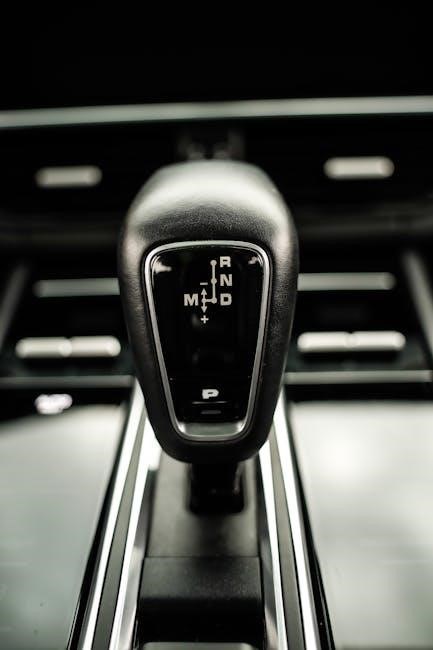
Types of Manual Shifters for Automatic Transmissions
Aftermarket options range from push-button systems to lever-style shifters, offering varying degrees of driver engagement and installation complexity for automatic vehicles.
Aftermarket Shifters: A Comprehensive Overview
Aftermarket shifters bridge the gap for drivers desiring manual control in automatic vehicles. These systems typically interface with the transmission’s shift linkage, mimicking a traditional manual experience. Pricing varies significantly, ranging from around 50 USD for basic setups to 500 USD or more for premium, customizable kits. Careful research is crucial to ensure compatibility and quality.
Push-Button Shifters vs. Lever-Style Shifters
Push-button shifters offer a modern aesthetic and compact design, electronically interfacing with the transmission for gear selection. Lever-style shifters, conversely, provide a more traditional feel, directly manipulating the shift linkage. The choice depends on driver preference and desired level of mechanical connection, impacting the overall driving experience.
Benefits of Installing a Manual Shifter in an Automatic Vehicle
Installing a manual shifter enhances driver engagement, offering greater control and a more connected feel, particularly with dual-clutch transmissions for improved performance.
Enhanced Driver Control and Engagement
A manual shifter reclaims the direct connection lost with automatics, letting drivers dictate gear selection and feel truly involved. This isn’t just about speed; it’s about experiencing the engine’s song, feeling the car respond to your commands, and enjoying a more visceral driving experience – a sensation many enthusiasts crave.
Potential Performance Gains (with Dual-Clutch Transmissions)
For DCTs, a manual shifter offers quicker, more precise gear changes than full automatic mode, potentially improving acceleration and lap times. This control bypasses the computer’s algorithms, allowing drivers to optimize shifts for maximum performance, mirroring the benefits of a traditional manual gearbox.

Compatibility and Vehicle Considerations
Not all automatics are convertible; compatibility depends on the transmission type and existing shift linkage, requiring careful assessment before attempting any modification.
Identifying Compatible Vehicles
Determining compatibility requires research; vehicles with a traditional shift linkage connected to a manual valve within the transmission are prime candidates. Modern systems relying heavily on electronic controls present greater challenges. Checking forums and manufacturer listings is crucial, as is understanding your specific automatic transmission’s architecture before investing in an aftermarket shifter.
Limitations: Not All Automatics Can Be Converted
Fully electronic transmissions pose significant hurdles, lacking the direct mechanical linkage needed for a manual shifter. Vehicles primarily utilizing sensors and internal oil pressure for gear changes are often incompatible. DCTs offer a different scenario, but conversion isn’t always straightforward, demanding careful consideration of system integration.
Installation Process: A General Outline
Installation involves connecting an aftermarket shift linkage to the transmission, mirroring a manual system’s operation via the valve body and fluid flow.
Shift Linkage and its Connection to the Transmission
The shift linkage is crucial, translating driver input to the transmission; it moves a lever within, operating a manual valve that directs fluid flow. This fluid control engages the correct gear, similar to a traditional manual system, but utilizing the automatic’s internal hydraulics and valve body for gear selection.
Professional Installation vs; DIY – Considerations
DIY installation requires mechanical aptitude and careful attention to detail, while professional installation ensures correct linkage and electronic interface integration. Incorrect installation can lead to shifting issues or damage. Consider your skill level and the complexity of your vehicle’s system before attempting a self-install.
Cost Analysis: What to Expect
Aftermarket shifters range from $50 to $500, with installation adding labor costs and potential expenses for additional parts needed for compatibility.
Aftermarket Shifter Pricing (50 ー 500 USD)
The cost of an aftermarket gear shifter varies significantly, typically falling between $50 and $500 depending on the vehicle’s year, make, and model. Simpler push-button options tend to be less expensive, while lever-style shifters with more features command higher prices.
Installation Costs: Labor and Potential Additional Parts
Professional installation can add significantly to the overall cost, potentially ranging from $200 to $800 depending on the vehicle and complexity. Beyond labor, anticipate needing additional parts like shift linkage components or potentially an electronic interface, increasing the total expense.
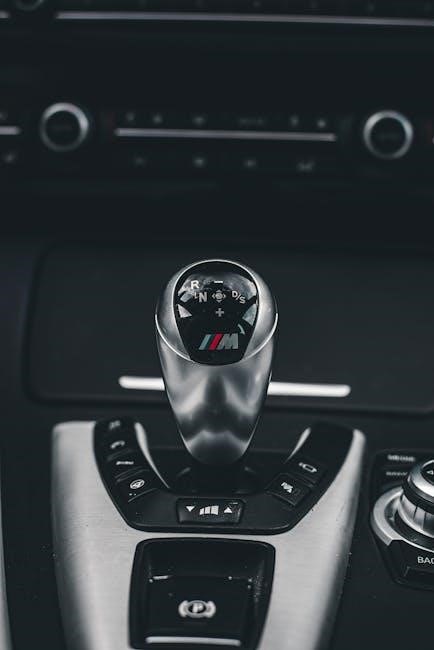
Dual-Clutch Transmissions (DCTs) and Manual Shifters
DCTs offer a blend of control and ease, mimicking a manual’s responsiveness with automatic convenience—found in cars like the Corvette C8 and Porsche 911.
The Best of Both Worlds: Control and Ease
Dual-clutch transmissions (DCTs) represent a significant advancement, providing the driver engagement of a manual gearbox alongside the simplicity of a conventional automatic. Computer-controlled clutching enables remarkably swift gear changes, often surpassing both manual and traditional automatic systems in speed and smoothness. This technology delivers a uniquely responsive and enjoyable driving experience.
Popular DCT-Equipped Sports Cars (Corvette C8, Porsche 911)
The Chevrolet Corvette C8 and many Porsche 911 variants showcase DCT excellence. These high-performance vehicles demonstrate how DCTs blend control with convenience, offering rapid shifts without sacrificing driver involvement. Notably, both the AMG GT Coupe and these models forgo traditional manual gearbox options entirely, embracing DCT technology.
Brands and Manufacturers of Manual Shifters
Numerous aftermarket companies specialize in manual shifters, offering varied quality and reliability. Expect a collaborative process when selecting shift control systems for your vehicle.
Leading Aftermarket Shifter Companies
Identifying top manufacturers requires careful research, as quality varies significantly. While specific brands aren’t detailed in the provided text, expect companies specializing in shift control systems. These firms often collaborate with customers to ensure compatibility and optimal performance for diverse automatic transmissions, offering solutions ranging from $50 to $500.
Quality and Reliability Considerations
Prioritize durable materials and precise engineering when selecting a shifter. A robust shift linkage is crucial for consistent operation, avoiding adjustment issues. Given the price range of $50-$500, higher costs generally correlate with better build quality and long-term reliability, ensuring a satisfying driving experience.
Legal and Safety Implications
Ensure modifications comply with local regulations; proper installation and functionality are vital for safe operation, preventing unintended gear selection and maintaining vehicle control.
Compliance with Local Regulations
Modifying a vehicle’s transmission, even with an aftermarket shifter, can trigger inspection requirements in some jurisdictions. It’s crucial to verify local laws regarding drivetrain alterations before installation. Some areas may prohibit changes affecting emissions or safety systems. Ensure the modification doesn’t void insurance coverage or fail required vehicle safety checks, potentially leading to legal issues and fines.
Ensuring Safe Operation and Functionality
Proper installation and adjustment of the shift linkage are paramount for safe operation. Incorrect linkage can result in unintended gear selection, potentially causing accidents. Verify the shifter securely connects to the transmission and operates smoothly through all ranges. Regularly inspect for looseness or wear, prioritizing driver safety and preventing mechanical failure during operation.
The Future of Manual Control
Despite automatic and DCT dominance, niche enthusiast demand sustains manual shifter conversions. This caters to drivers seeking a connected, engaging driving experience.
The Trend Towards Automatic and DCT Transmissions
Modern automotive engineering increasingly favors automatic and dual-clutch transmissions (DCTs) for their efficiency and speed. Manufacturers like Ferrari and Lamborghini have abandoned manual gearboxes entirely, even in high-performance sports cars. DCTs, exemplified by the Corvette C8 and Porsche 911, offer a blend of control and ease, diminishing the need for traditional manuals.
Niche Appeal and Enthusiast Demand
Despite the industry shift, a dedicated enthusiast base craves the immersive driving experience of a manual transmission. This demand fuels the aftermarket for manual shifters for automatics, offering drivers a feeling of connection and control absent in fully automated systems, recreating the joy of a traditional manual.
Common Issues and Troubleshooting
Potential problems include shift linkage adjustments and electronic interface glitches. Proper installation and regular checks are crucial for smooth operation and addressing any arising issues.
Shift Linkage Problems and Adjustments
Issues with the shift linkage are common, manifesting as imprecise shifts or difficulty selecting gears. The linkage connects the shifter to the transmission, operating a manual valve directing fluid flow. Careful adjustment is often needed post-installation to ensure proper engagement and smooth transitions between gears, requiring patience and precision.
Electronic Interface Issues (if applicable)
Some conversions require interfacing with the automatic’s electronic controls, potentially causing compatibility problems. Issues can include incorrect gear display or the transmission overriding driver input. Diagnostic tools and careful wiring are crucial for resolving these conflicts, ensuring seamless communication between the shifter and transmission.
Performance Implications: Beyond Driver Feel
DCTs benefit most from manual shifters, offering faster shifts and improved acceleration; however, gains in fuel efficiency are typically minimal and vary by vehicle.
Impact on Acceleration and Fuel Efficiency
While a manual shifter enhances driver engagement, its direct impact on acceleration and fuel efficiency is nuanced. Dual-clutch transmissions (DCTs) often see quicker shifts, potentially improving acceleration. However, for standard automatics, gains are less pronounced, and fuel economy may not significantly change, depending on driving style and vehicle specifics.
Track Use and Performance Optimization
For track days, a manual shifter, particularly with a DCT, offers precise gear selection crucial for optimal performance. Drivers gain greater control during cornering and braking, enabling quicker lap times. However, consistent, skilled operation is vital to realize benefits; otherwise, a well-tuned automatic may perform comparably.
Alternatives to a Full Manual Shifter Conversion
Paddle shifters provide a compromise, offering some manual control without a full conversion. Aesthetic upgrades like shift knobs and boots personalize the driving experience.
Paddle Shifters: A Compromise Solution
Paddle shifters represent a middle ground for drivers desiring more control than a traditional automatic offers, without the complexity of a full manual conversion. Mounted behind the steering wheel, they allow for quick, intuitive gear changes. While not replicating the full engagement of a clutch and lever, they provide a sporty feel and enhanced responsiveness, particularly beneficial for spirited driving or track use.
Shift Knob and Boot Upgrades for Aesthetic Appeal
For those prioritizing style over function, shift knob and boot replacements offer a subtle enhancement. These modifications don’t alter the transmission’s operation but personalize the cabin’s appearance. A variety of materials, shapes, and colors are available, allowing drivers to create a unique, sporty aesthetic reflecting their individual preferences and vehicle’s interior.
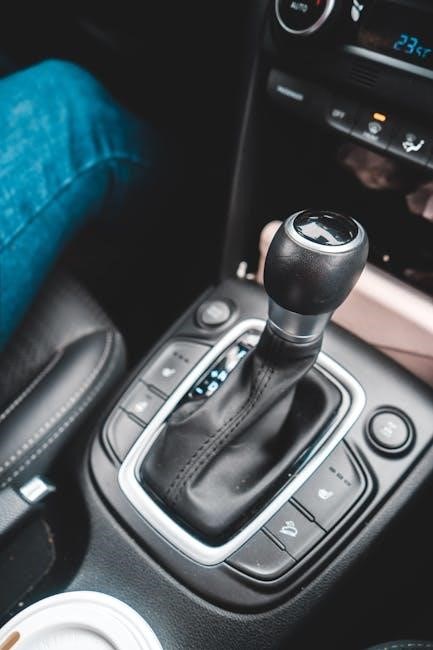
Case Studies: Successful Conversions and User Experiences
Real-world examples demonstrate the feasibility of conversions, showcasing user feedback and highlighting the enhanced driver engagement achieved through aftermarket shifter installations.
Real-World Examples of Manual Shifter Installations
Numerous enthusiasts have successfully installed aftermarket shifters in vehicles like the Corvette C8, seeking a more connected driving experience despite the lack of a factory manual option. These conversions often involve adapting shift linkages to work with the automatic transmission’s valve body, requiring precise adjustments for smooth operation.
User Reviews and Feedback
Owners report a dramatically increased sense of driver engagement after installing manual shifters in their automatics, particularly with dual-clutch transmissions. Common feedback highlights improved control and a more immersive driving experience, though some note the need for careful adjustment of the shift linkage for optimal performance and feel.
For driving enthusiasts craving engagement, a manual shifter offers a compelling upgrade, especially with DCTs. However, compatibility is key, and installation can range from DIY to professional. Weigh the cost, effort, and legal considerations against the enhanced control and driving pleasure.